

Construction joints and joints
A construction joint is the interface between two pours placed at different times. It is not a defect: it is a design choice that must be engineered as such.

Why a joint leaks
No real continuity forms between hardened concrete and fresh concrete: what is left is an interface with limited adhesion, often with a build-up of laitance and imperfect compaction. It is the preferred path for water in every below-grade structure, and the most frequent cause of leaks in tanks and basements.
The available technologies
Crystalline waterstop sheets. Galvanised steel strips coated on both sides, which lengthen the water's path, bond with the pour through their cementitious coating and seal cracks up to 0.4 mm thanks to the active crystalline coating.
Water-swellable joints. Profiles of sodium bentonite and butyl rubber, confined between the two pours: on contact with water they gradually increase in volume and seal by compression. They require adequate cover to confine the swelling.
Water-swellable polyurethane sealants. In cartridge form, extrudable with a gun: they solve irregular geometries, holes, cavities and points where a rigid profile does not fit.
Injection tubes. Embedded in the joint, they allow resin to be injected after the pour, either once a leak has occurred or as a preventive safeguard.
Formwork spacer holes
Every formwork spacer tube leaves a through-hole across the full thickness of the wall. On a below-grade wall there can be dozens of such deliberate perforations. They are closed with water-swellable rubber caps with a rigid core, tested against negative pressure, and protected on the outside with water-swellable annular gaskets.
Four technologies for sealing a construction joint
Products for this system
Selected from the Probar 2026 catalogue for this application.
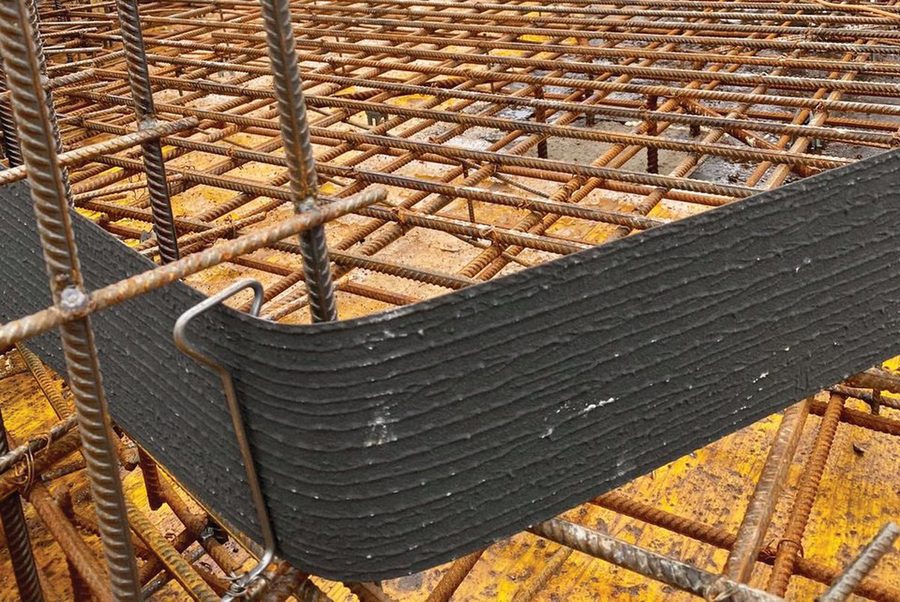 AQUAFIN-CJ5Active crystalline waterstop sheet, in galvanised steel coated on both sidesWaterstops and construction jointsSistema BETOCRETE-CSchomburg
 AQUAFIN-CJ6Waterstop for construction jointsWaterstops and construction jointsSistema BETOCRETE-CSchomburg
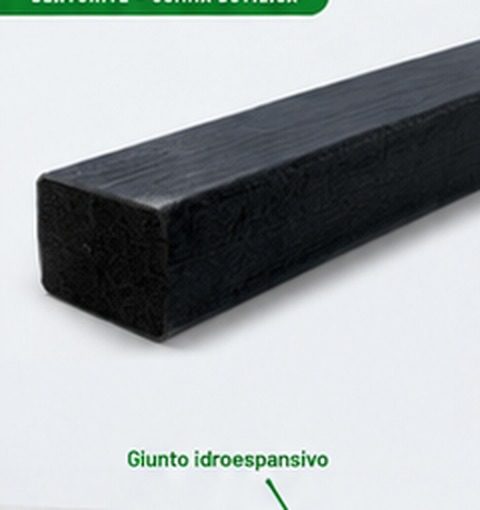 PRO WSWater-swellable bentonite waterstopWaterstops and construction jointsPRO WS
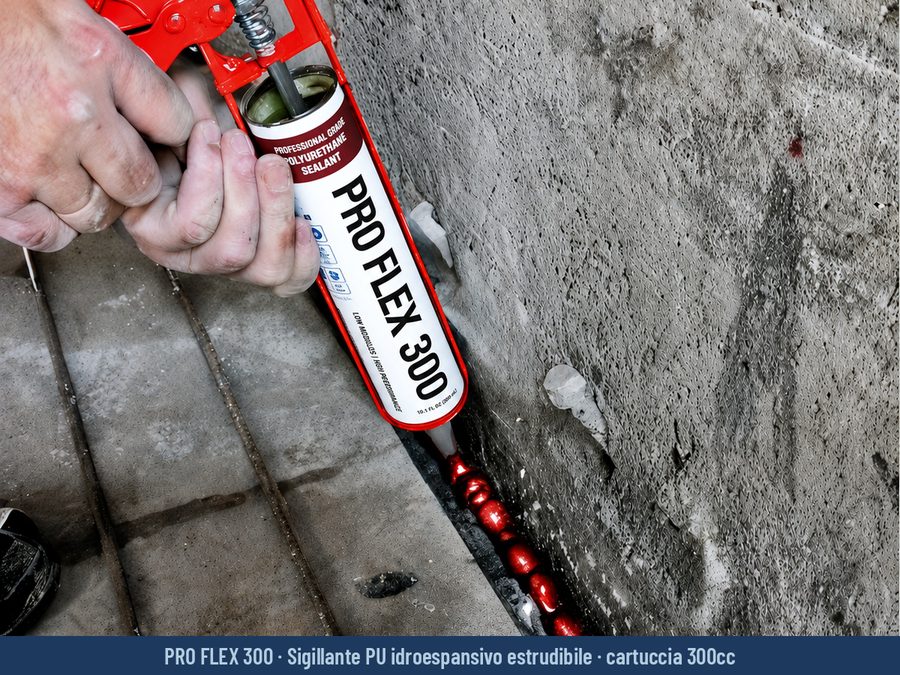 PRO FLEX 300Waterstop · extrudable water-swellable PU sealantSealants and tapesPRFX3
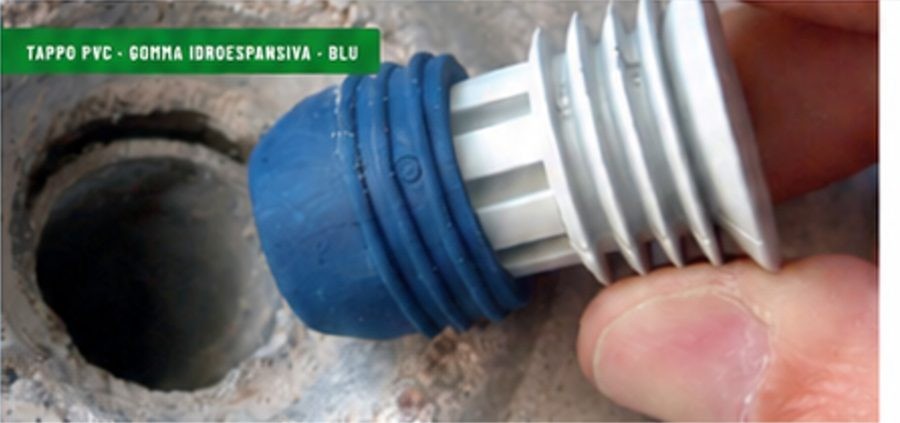 TAPPI CKSWater-swellable rubber caps for PVC spacersFibres and accessoriesCKS T21-T34
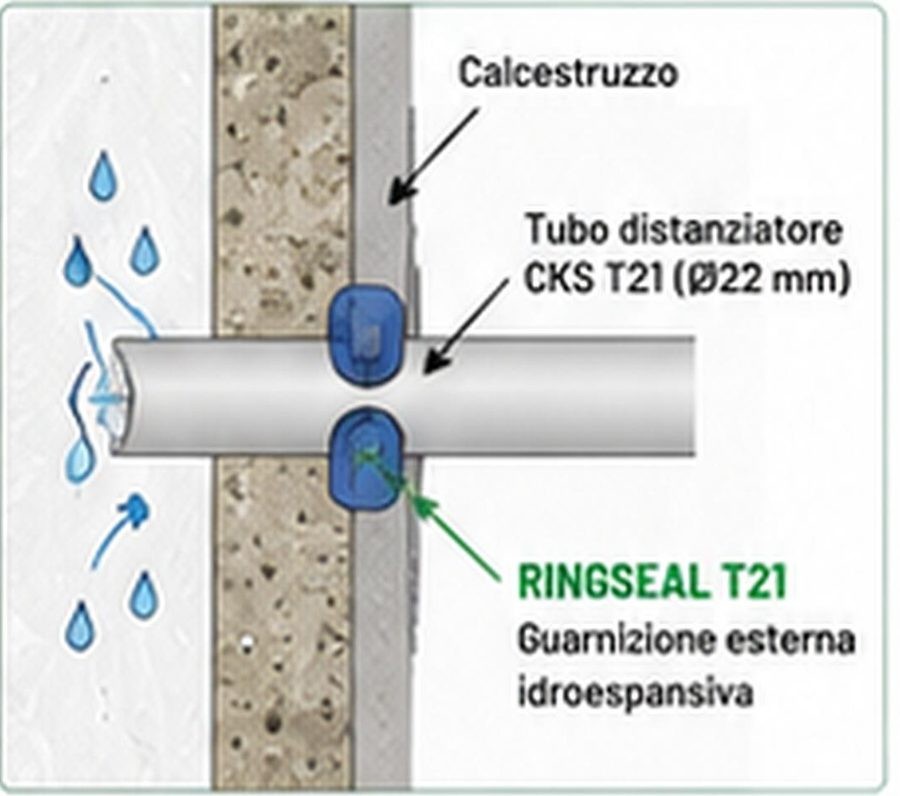 RINGSEAL T21External gasket for formwork spacer tubesFibres and accessoriesRINGSEAL T21
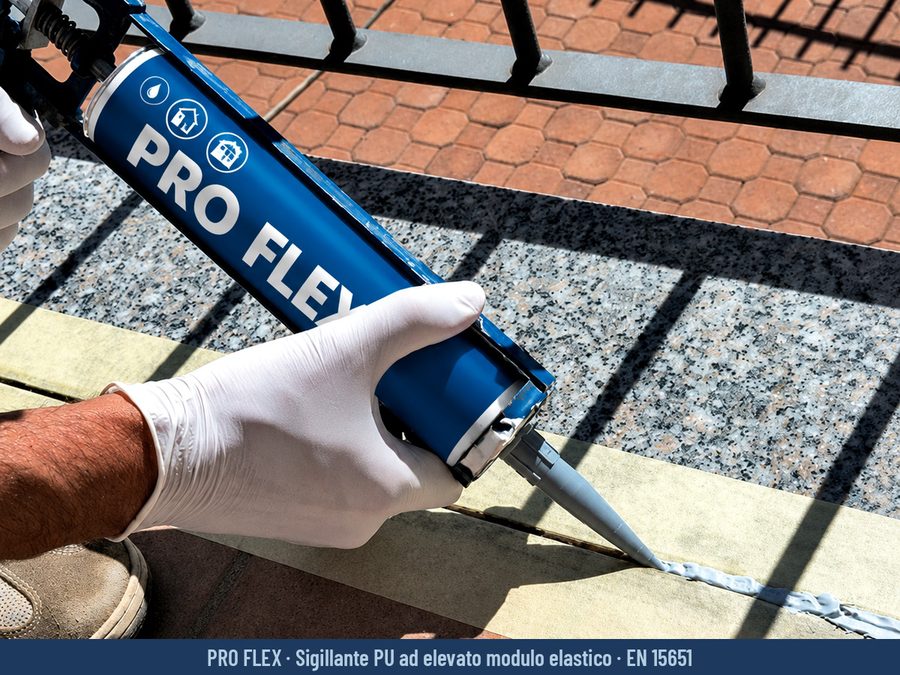 PRO FLEXHigh-modulus elastic polyurethane sealantSealants and tapesPRF-300 / PRF-600
Frequently asked questions
Water-swellable joint or waterstop sheet?
The sheet works well on regular, accessible joints and does not depend on confinement. The water-swellable joint is faster to install and adapts better to geometry, but requires enough cover for the swelling to be contained.
Can a water-swellable joint get wet before the pour?
It must be protected from rain and standing water: if it hydrates before being confined, it swells with nothing to push against and loses part of its swelling reserve.
Continue reading
White tank
The concrete structure is itself the waterproofing. No membrane to lay, no sheet to protec…
Retaining wall in groundwater
When a below-grade structure sits in groundwater, hydrostatic pressure is permanent and ac…
Leaking basement
The room is built, the backfill is done, and water gets in. The work is carried out from t…
Reinforced concrete repair
Spalling cover concrete is not a cosmetic issue: it is the visible symptom of a process ea…